CID
Army Criminal Investigation Division
Investigates serious criminal offenses involving Army interests and personnel within its jurisdiction.
Official agency website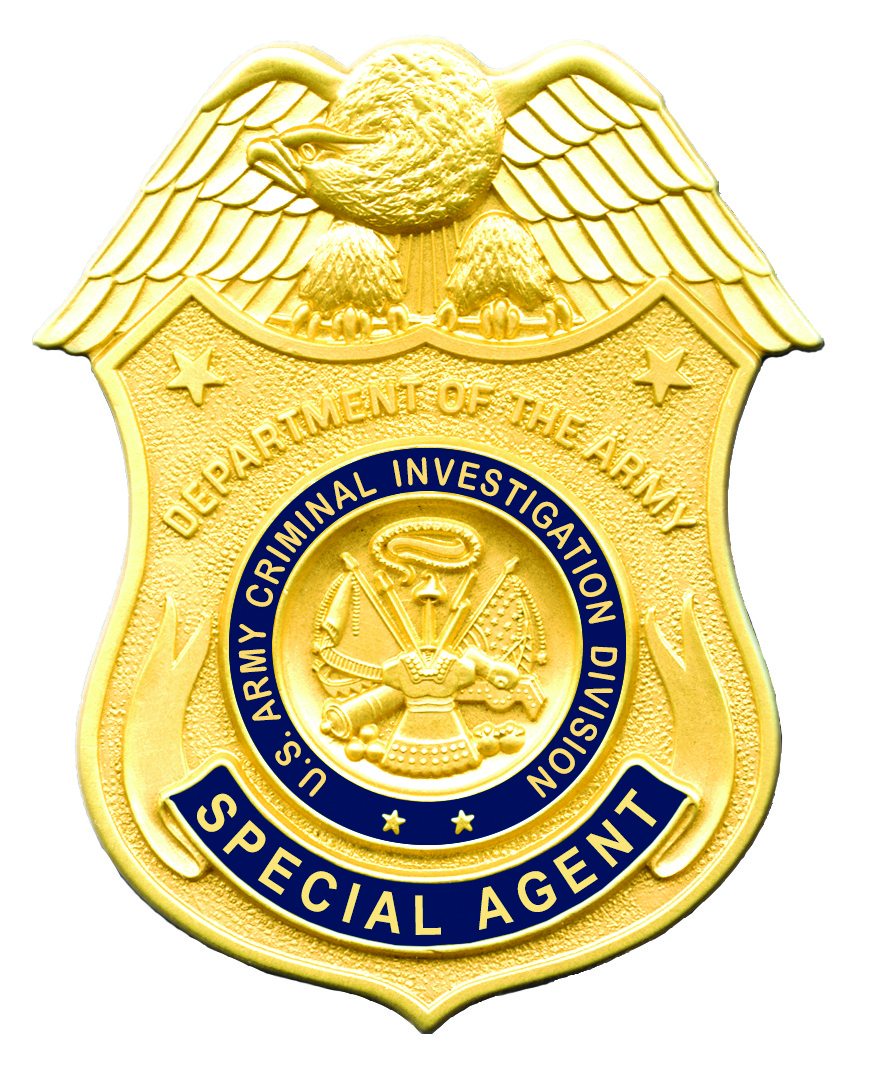
Photo: Ronna Weyland / Army CID, January 2022.
The Formation Accountability Project is an independent, nonpartisan legislative research and advocacy initiative. Its proposals are discussion drafts and do not represent enacted law, official Department of Defense policy, congressional sponsorship, or legal advice.
Receive information → safety and screening → independent jurisdiction and threshold assessment → investigation or noncriminal review where warranted → authorized disposition → oversight.
Interactive accountability process
Mandatory MCIO investigations · Proposed reform · 2027–2030
Serious criminal allegations should be examined by qualified investigators—not resolved solely by the command structure implicated in the complaint.
The military already has professional criminal investigators. This proposal strengthens when designated allegations must be referred, how independence is protected, and how decisions are documented.
Legislative discussion draft, not enacted law · Conceptual imagery
Qualified investigators already serve military communities. Their authorities are not identical: jurisdiction, departmental responsibilities, and the facts determine which organization is competent to investigate.
CID
Investigates serious criminal offenses involving Army interests and personnel within its jurisdiction.
Official agency websitePhoto: Ronna Weyland / Army CID, January 2022.
NCIS
Investigates serious criminal offenses involving Navy and Marine Corps interests and personnel within its jurisdiction.
Official agency website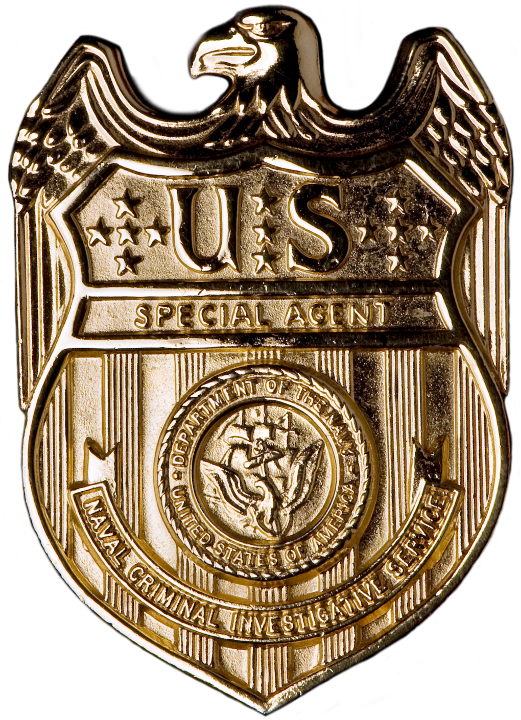
U.S. Navy photo illustration: MC1 R. Jason Brunson; cropped archive version via Wikimedia Commons.
AFOSI
Investigates serious criminal offenses and other matters within its Air Force and Space Force responsibilities.
Official agency website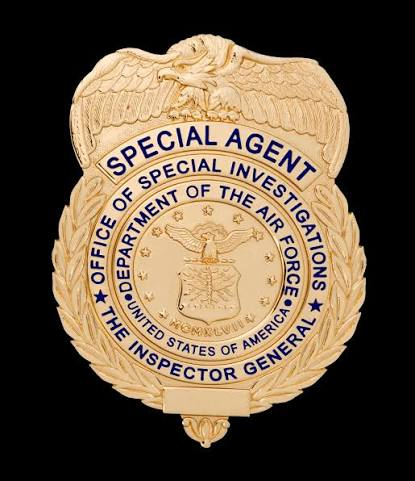
Badge image supplied by the project.
CGIS
Investigates qualifying criminal matters within its Coast Guard jurisdiction. The Coast Guard ordinarily operates in the Department of Homeland Security, with a distinct departmental structure when not operating as a service in the Navy.
Official agency website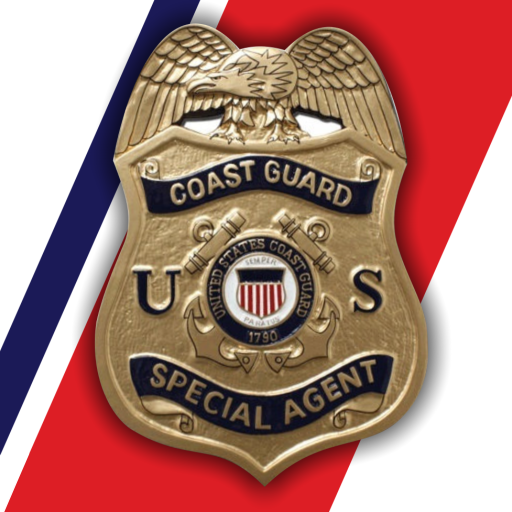
Badge image supplied by the project.
DoDI 5505.03 addresses initiation of investigations by Defense Criminal Investigative Organizations. It establishes policy intended to protect their independence, objectivity, and effectiveness.
Existing policy
Proposed reform
Military commanders have legitimate responsibilities for discipline, safety, personnel management, and good order.
But serious criminal investigations require specialized training, impartial evidence collection, lawful investigative procedures, and professional judgment.
When an allegation involves a leader within the reporting chain, additional concerns may arise about conflicts of interest, witness confidence, and perceived pressure.
A clear mandatory referral requirement can reduce uncertainty about who must receive an allegation and who decides whether a criminal investigation is warranted.
The proposed reform is intended to strengthen institutional confidence without removing commanders’ lawful responsibilities for immediate safety and administrative action.
The rank of the accused should not determine whether the allegation is examined.
Proposed expanded categories
Independent assessment · Proposed statutory criteria
Open an investigation when the legally defined investigative-opening threshold and jurisdictional requirements are met.
Collect inculpatory and exculpatory information impartially; document witnesses accurately and preserve physical and digital evidence.
Investigators follow reliable evidence rather than a predetermined result. Findings inform, but do not replace, prosecutorial judgment.
Authorized prosecutors evaluate the legal and factual basis for charges and available lawful options.
OSTC exercises authority over offenses assigned to it by law. Expanded coverage is proposed; other lawful authorities retain their assigned responsibilities.
Investigation does not guarantee prosecution or conviction. Document lawful disposition decisions through applicable procedures.
Both branches lead to privacy-protective records and oversight. Raw referrals, investigations, and declinations are not proof of guilt or institutional failure.
The statute should define mandatory-opening thresholds and require appropriate supervisory review of declinations. No allegation guarantees investigation, prosecution, or conviction irrespective of law, jurisdiction, or evidence.
Commanders retain lawful responsibilities while qualified investigators exercise independent investigative judgment.
Lawful command authority and independent criminal investigation are compatible.
An effective investigation seeks reliable facts, not a predetermined result. Thorough investigations support fair adjudication regardless of the required voting threshold.
An investigation should follow the evidence—wherever it leads.
Explore the proposed unanimous courts-martial reform →Service members must be able to report suspected wrongdoing through lawful channels. Witnesses must be able to participate without unlawful retaliation. Victims must be treated with dignity.
Accused persons must receive the rights and protections guaranteed by law. Investigative independence does not mean presuming guilt; it means establishing relevant facts without improper interference.
Appropriate privacy and confidentiality protections apply under law; absolute anonymity is not promised. This website is not an official reporting or protected disclosure channel.
Impartial findings inform charging decisions; investigators do not guarantee a prosecution.
Additional offenses would fall within OSTC authority under the proposal. Article 132 retaliation is already a covered offense; its protections would be preserved and strengthened. OSTC need not prosecute every referred case.
The proposed suicide framework includes independent screening for qualifying incidents. Credible criminal indicators would prompt appropriate MCIO referral; command climate review may separately examine organizational concerns without presuming a crime. Criminal and administrative pathways remain legally distinct.
A suicide is not proof of a crime.
Credible evidence of a crime deserves appropriate investigation.
Veterans Crisis Line — free, confidential, 24/7
Dial 988, then press 1 · Text 838255. For service members, veterans, and their families.
The Formation Accountability Project is not an emergency response service, mental health provider, official investigative authority, or protected whistleblower disclosure channel.
Combat readiness depends on more than equipment, training, and physical fitness. It depends on leadership, cohesion, communication, and trust.
When service members believe serious allegations may be ignored because of rank or organizational relationships, confidence in military institutions may suffer.
Independent criminal investigations can help demonstrate that the law applies regardless of position. The objective is not to undermine commanders, but to reinforce the legitimacy of command through fair and professional scrutiny.
Trust is earned through conduct.
Accountability helps sustain it.
Congressional oversight and implementation
Planned Fall 2027–Spring 2030
Year 1 · 2027–2028
Study existing MCIO policies, statutory authorities, investigative practices, and oversight findings.
Year 2 · 2028–2029
Develop referral requirements, review safeguards, and proposed statutory language with qualified legal input.
Year 3 · 2029–2030
Seek consultation with congressional offices and present refined proposals for consideration.
Congressional partnerships and sponsorship are objectives, not existing accomplishments.
Explore the full roadmap →The uploaded draft bill is available in the legislative document library.
When a Soldier reports serious criminal misconduct, the response should be guided by law, evidence, and professional investigative judgment—not favoritism, personal relationships, fear of embarrassment, or reputation at the expense of a fair inquiry.
Independent investigation protects complainants, protects accused persons from unsupported conclusions, protects commanders from improper investigative responsibilities, and protects the integrity of evidence and military justice.
The objective is not to guarantee prosecution. It is to ensure that serious allegations are evaluated through a process worthy of the trust placed in it.
Credible allegations.
Independent investigators.
Impartial evidence.
Lawful accountability.
No one should be above investigation because of rank.
No one should be presumed guilty because of an allegation.
The evidence must lead. Accountability must follow.